




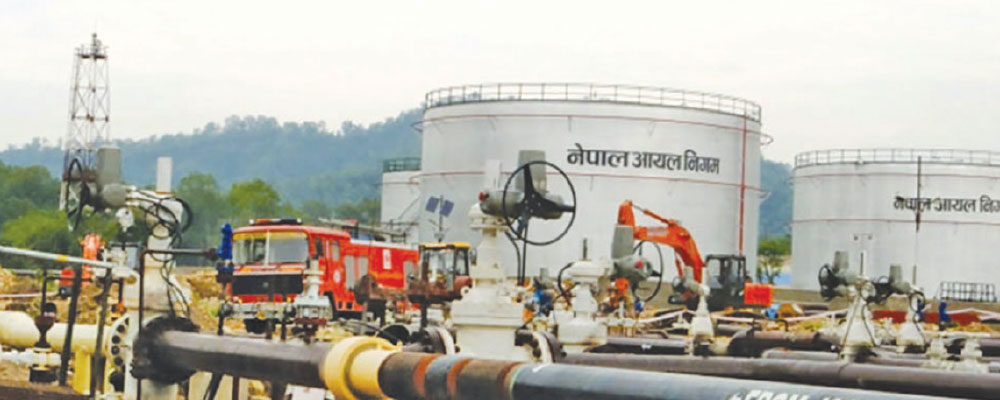
SATV, Kathmandu, May 20: The consumption of petroleum products, including petrol, diesel, kerosene and cooking gas, has declined significantly following government measures introduced to curb fuel use amid soaring prices.
According to the Nepal Oil Corporation (NOC), demand for petrol, diesel, kerosene and liquefied petroleum gas (LPG) dropped by up to 80 per cent in the month of Baisakh compared to Chait.
However, aviation fuel consumption increased during the review period.
The government had introduced a public holiday on Sundays after petroleum prices surged in the wake of the Israel-United States and Iran conflict. The measure was aimed at ensuring smoother fuel supply management by reducing overall consumption.
At the same time, the Ministry of Finance also cut fuel allowances provided to government officials.
About a month after the Sunday public holiday came into effect on April 6, sales of petroleum products, particularly petrol, diesel and kerosene, declined noticeably, said Manoj Kumar Thakur, spokesperson for the NOC.
According to him, higher fuel prices and reduced vehicle movement due to the Sunday holiday contributed to the decline in fuel consumption.
Petrol prices had reached Rs. 219 per litre, diesel Rs. 237, and aviation fuel for domestic flights Rs. 269 per litre. LPG cylinders were priced at Rs. 2,160 each.
However, petrol price dropped and now costs Rs. 217 per litre, while diesel is priced at Rs. 225 per litre.
“The consumption of diesel dropped significantly, while petrol consumption saw only a marginal decline,” he said.
According to the NOC, petrol consumption fell marginally by 2 per cent (1,258 kilolitres), while diesel consumption dropped by 27 per cent (37,958 kilolitres), kerosene by 80 per cent (1,035 kilolitres), and LPG by 17 per cent (6,743 tonnes) during the review period.
However, demand for aviation fuel rose by 7 per cent (1,308 kilolitres) in Baisakh compared to Chait.
Thakur said petrol consumption declined to 58,680 kilolitres in Baisakh from 59,938 kilolitres in Chait.
Likewise, diesel consumption dropped to 102,071 kilolitres in Baisakh from 140,029 kilolitres in Chait.
Demand for kerosene dropped to 248 kilolitres in Baisakh from 1,283 kilolitres in Chait.
Meanwhile, aviation fuel consumption increased to 19,552 kilolitres in Baisakh from 18,244 kilolitres in Chait.
He further said that construction activities had also been affected by the sharp rise in the prices of diesel and other construction materials, leading to reduced diesel and kerosene consumption during the review period.
Similarly, LPG consumption declined significantly to 32,056 tonnes in Baisakh from 38,799 tonnes in Chait.
Thakur predicted that the growing use of electric stoves among consumers had contributed to the decline in LPG consumption.
“Besides, demand for LPG increased in February and March due to rumours of a possible gas shortage in the market, prompting consumers to stockpile gas cylinders during those months. This month, consumers may have relied on those stored supplies instead of purchasing new cylinders,” he said.
He said that the NOC has been distributing petroleum products across the country as per the demand, as imports from the Indian Oil Corporation have remained normal.
According to him, continuous increase in international petroleum prices has made it difficult to adjust domestic fuel prices in line with the automatic pricing system based on rates received from IOC.
This mismatch between rising international costs and limited domestic price adjustments has significantly widened the corporation’s losses, raising concerns about its ability to make timely payments to IOC, he added.
He, however, said that NOC will make its efforts to ensure a smooth supply of petroleum products in the coming days.
Amid this challenging situation, the corporation has urged consumers and stakeholders to use petroleum products economically.