




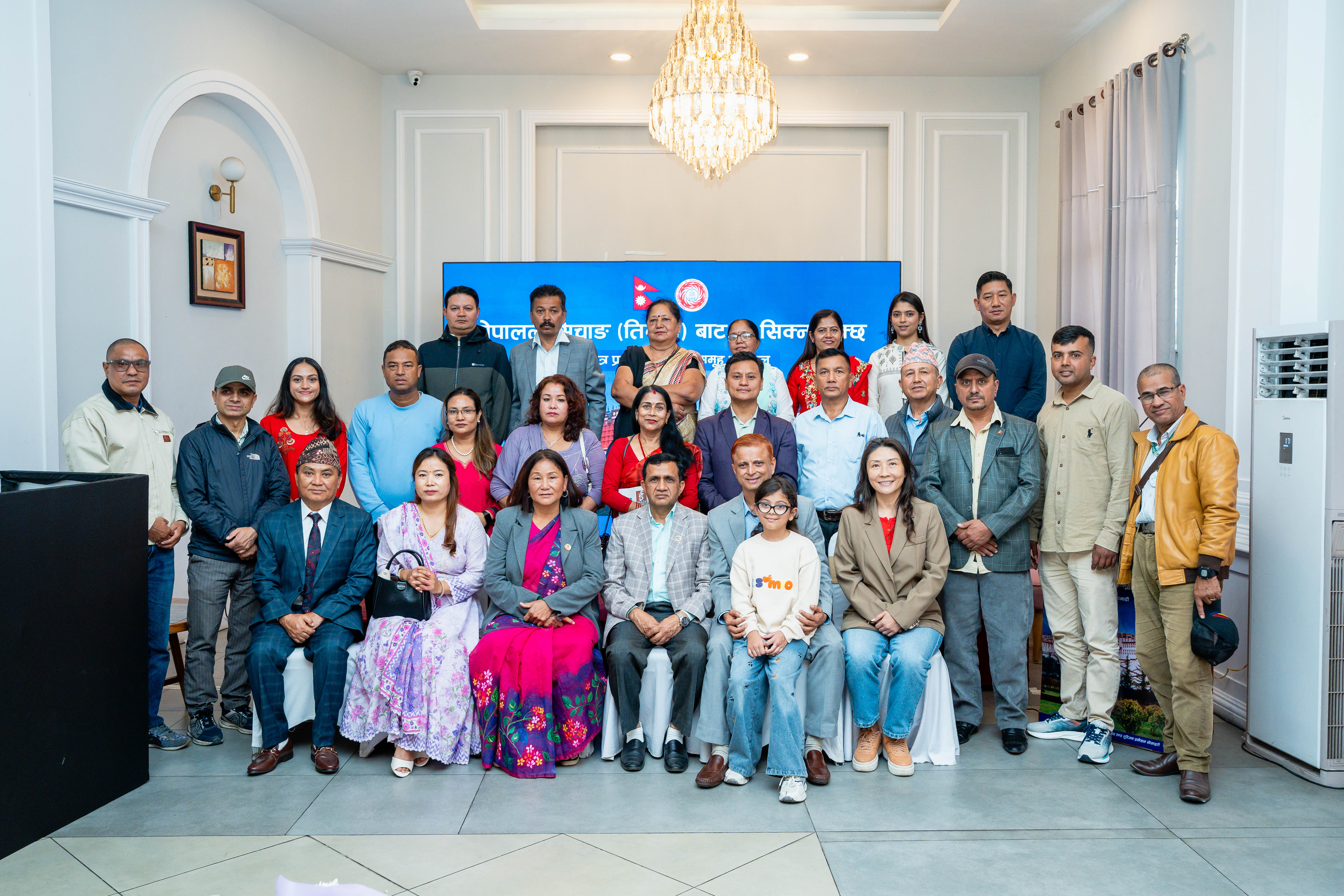
SATV, Kathmandu, October 16- Stakeholders have said that Nepal can learn effective models of development, along with cultural and heritage preservation, from the experiences of China's Xizang (Tibet) Autonomous Region.
They emphasized the need to explore opportunities for cooperation in development, tourism promotion, and cultural heritage preservation while further strengthening the historical ties between Nepal and Tibet.
The views were expressed at a documentary screening and expert panel discussion titled “What Can Nepal Learn from Xizang (Tibet)?” organized today by the Sino Nepal Culture and Tourism Promotion Society.
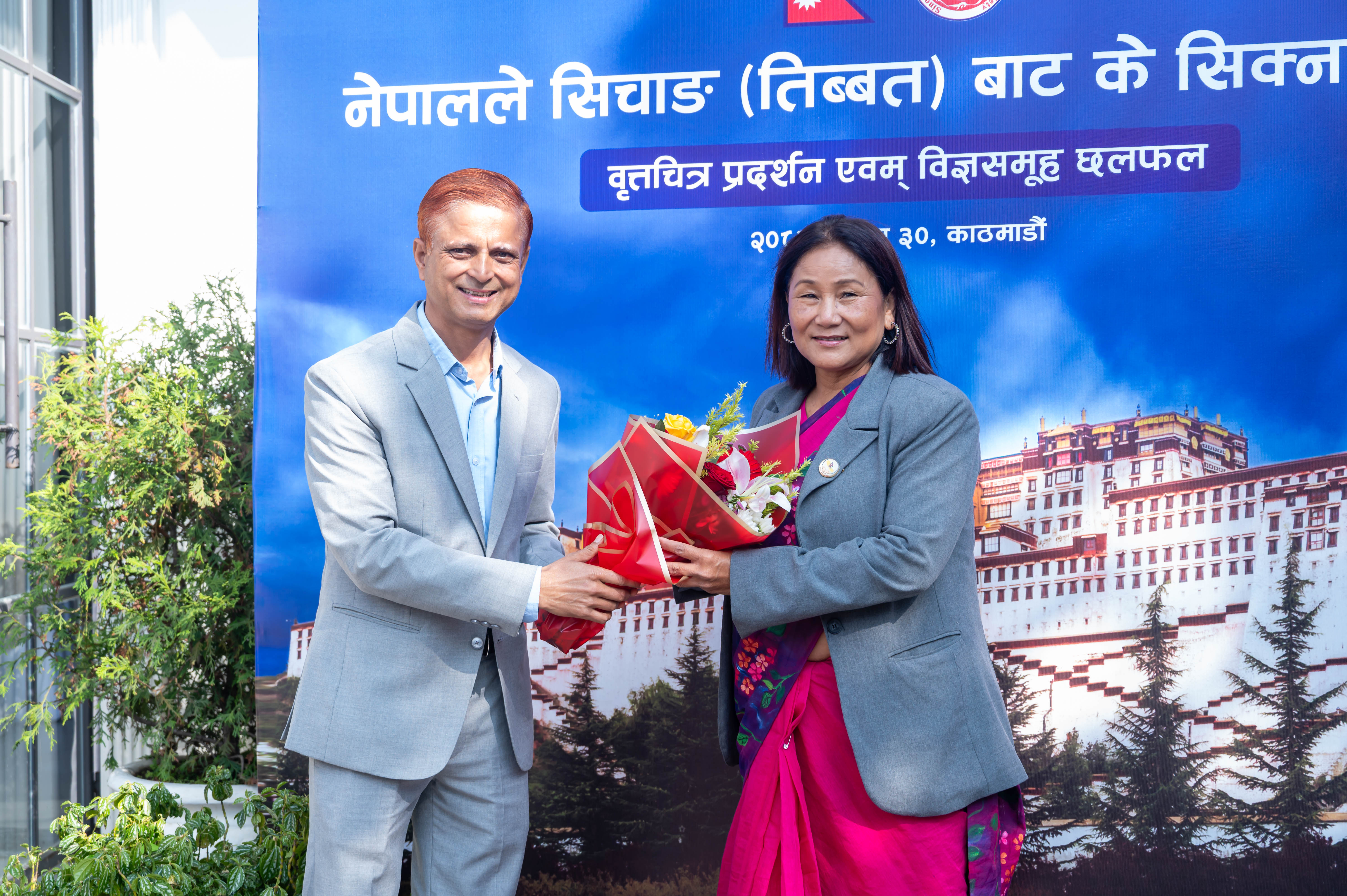
The chief guest at the event, former Deputy Speaker of the House of Representatives and Rastriya Swatantra Party (RSP) lawmaker Indira Rana Magar, said Nepal could learn not only about cultural and heritage preservation from historical Tibet and present-day Xizang, but also about various models of development.
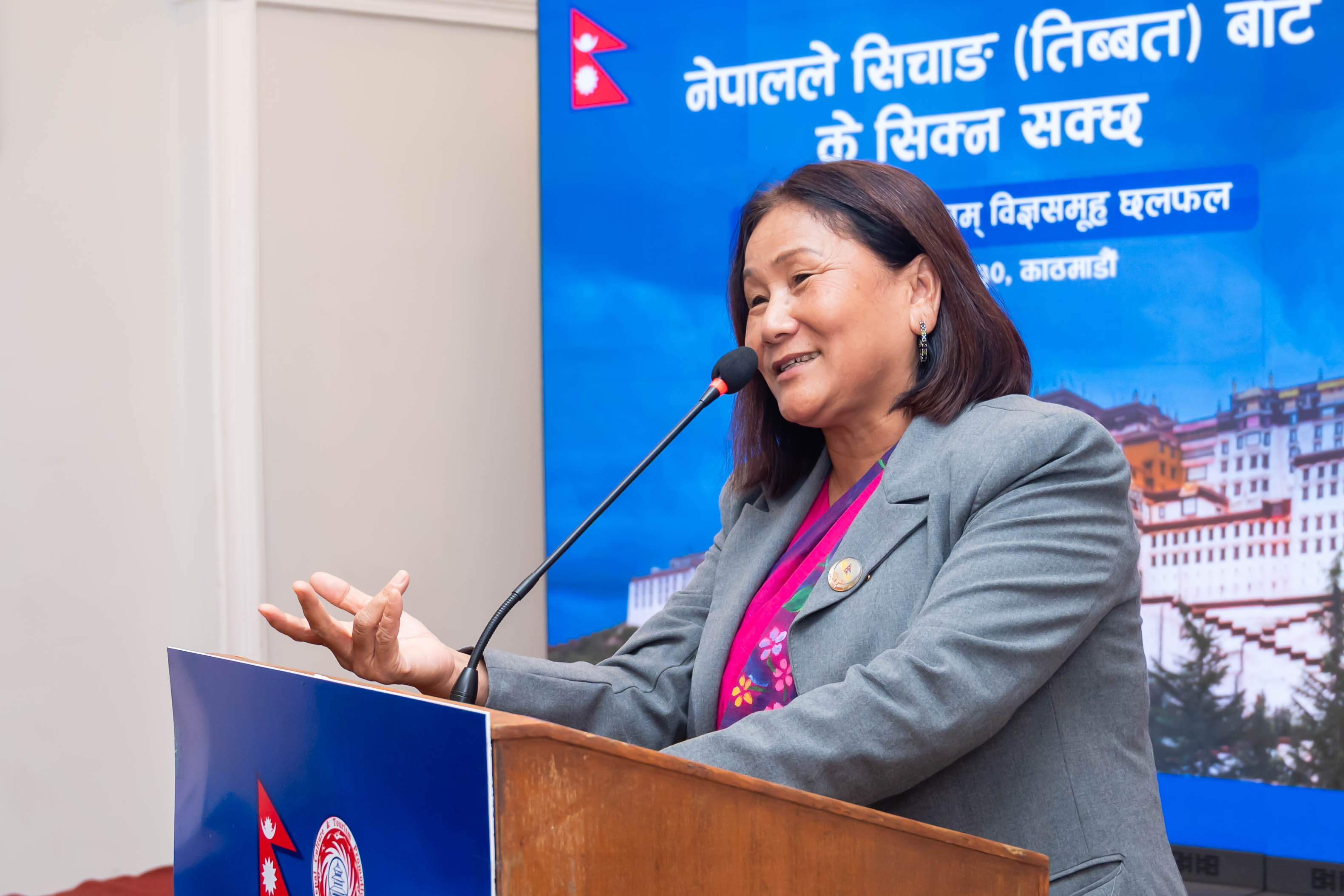
Noting that Tibet had made significant progress in various sectors under the leadership of the Chinese government, she said that ensuring access to essential facilities could help improve public satisfaction. She added that Xizang's experience could offer valuable lessons for Nepal in improving people's living standards and expanding public services.
Nepal's Consul General in Lhasa, Dhruva Niraula, said that relations between Nepal and historical Tibet predated the eras of Princess Bhrikuti and the renowned architect Arniko. Noting that interactions and exchanges between the two regions had taken place since the beginning of the Common Era, he said that cultural practices resembling Nepali traditions, particularly those of the Newar community, could still be found in Tibet.
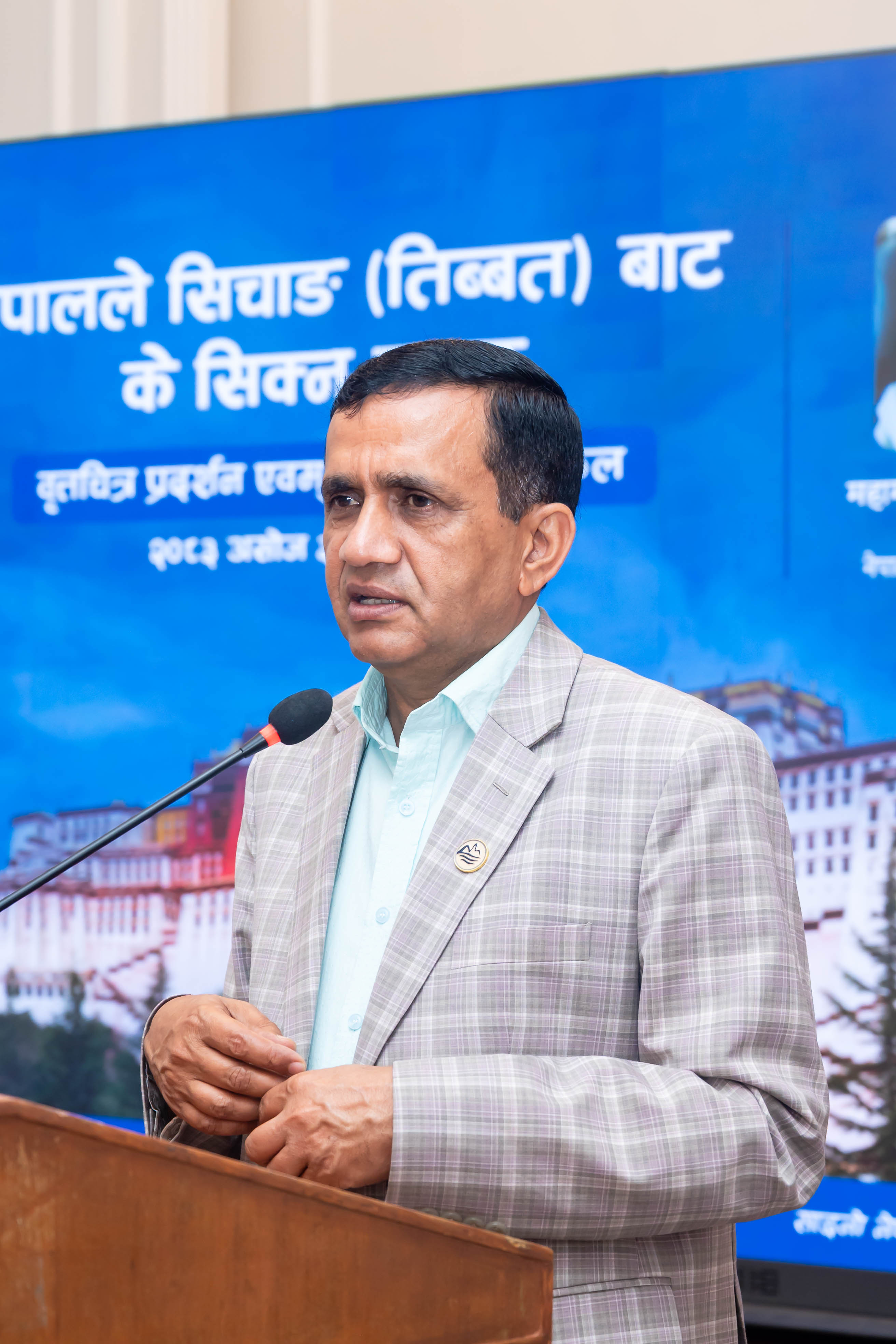
Niraula expressed the view that historical ties between Nepal and Tibet could be further strengthened through cultural and development partnerships. He said Nepal could learn valuable lessons from Tibet's experience in cultural preservation, heritage conservation, and infrastructure development. Despite the considerable potential for cooperation, he noted that Nepal had yet to fully benefit from these opportunities. He also said he had been working to identify new avenues for bilateral relations and cooperation through such programmes.
Dhruva Paudel, chairperson of the Sino Nepal Culture and Tourism Promotion Society, said that an eight-member delegation comprising journalists, artists, and cultural experts had gained important insights during a visit to Tibet. He explained that a documentary had been produced to capture the experiences and observations of the delegation, highlighting aspects that could be useful for Nepal.
The documentary screened at the programme covered the historical background of Nepal–Tibet relations, cultural exchanges, heritage preservation, environmental conservation, and development practices. It was expected to highlight areas from which Nepal could draw lessons from Tibet while helping audiences gain a deeper understanding of the historical and cultural ties between the two regions.
During the expert panel discussion following the screening, participants discussed how Nepal could adapt experiences from Tibet and Sichuan to its own geographical, social, and economic context. They emphasized the need to expand the exchange of knowledge and cooperation in cultural and heritage preservation, tourism promotion, environmental sustainability, and infrastructure development.
The programme conveyed the message that Nepal could achieve further progress in sustainable development and tourism promotion by learning from successful practices in other regions while safeguarding its own distinctive culture and heritage.